



Speakers
We have some incredible speakers lined up for the 2026 ANZCA ASM and will add to this page as more are confirmed for the program.
Be sure to click on each of the profile images below to find out more about our speakers.
Keynote speakers
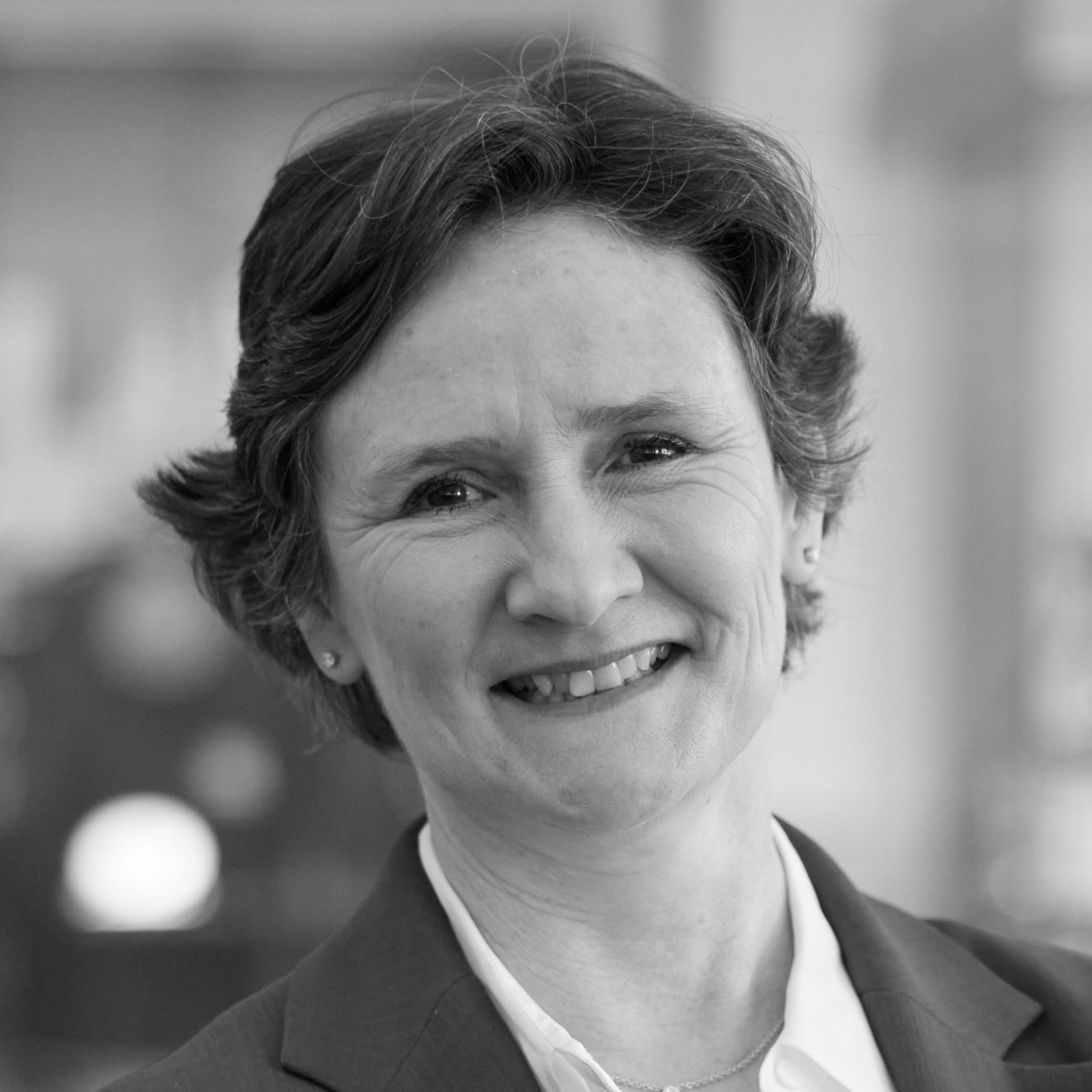
Professor
Irene Tracey
ANZCA ASM Visitor
Professor
Irene Tracey
ANZCA ASM Visitor
Professor Irene Tracey CBE, FRS, FMedSci., is Vice-Chancellor (President) at the University of Oxford and Professor of Anaesthetic Neuroscience in the Nuffield Department of Clinical Neurosciences, a department she led for several years whilst holding a Nuffield Chair in Anaesthetic Science. Irene did her undergraduate and graduate studies at Oxford University, Merton College, followed by a Postdoctoral Fellowship at Harvard, USA. She was a founding member of the now world-leading Wellcome Centre for Integrative Neuroimaging, formerly FMRIB, and was its Director for ten years. Irene has served on many national and international committees, such as the Council of the Medical Research Council, the International Association for the Study of Pain (IASP) and the Lundbeck Brain Prize Committee. She is currently Past President of the Federation of European Neuroscience Societies (FENS), and is currently serving on the Council for the Society for Neuroscience.
Her multidisciplinary research team has contributed to a better understanding of pain perception, pain relief and nociceptive processing within the human central nervous system during acute and chronic pain using advanced neuroimaging techniques and novel paradigm designs. They also investigate the neural basis of anaesthesia and have developed a biomarker for depth of anaesthesia that they are currently commercialising. She has trained over 35 PhD students and published over 260 peer reviewed papers. She has been awarded many honours, such as: triennial Patrick Wall Medal (2008) and FRCA (2009) from Royal College of Anaesthetists; Fellow Academy of Medical Sciences (2015); Feldberg Foundation Prize (2017); British Neuroscience Association’s Outstanding Contribution to Neuroscience (2018); Commander of the Order of the British Empire for services to Medical Research (2022); Honorary Fellow Physiological Society (2022); Honorary Membership British Pain Society (2023); Fellow of the Royal Society (2023); Honorary Fellow Royal Society of Medicine (2024).

Professor
Alicia Dennis
ANZCA Australasian Visitor and Douglas Joseph Professor
Professor
Alicia Dennis
ANZCA Australasian Visitor and Douglas Joseph Professor
Professor Dennis is an academic clinician researcher and obstetric anesthesiologist based in the Department of Critical Care at the University of Melbourne, Deakin University, and Joan Kirner Women’s and Children’s Sunshine Hospital. The key focus of her research program is haemodynamics using echocardiography, cardiac magnetic resonance and cardiopulmonary exercise testing to determine the physiology of preeclampsia. She has developed the “Constant Stimulus Adaptive Response (CSAR) model of preeclampsia” which states that preeclampsia is driven by the fetus (not placenta). It is the first model to describe a mismatch between maternal oxygen supply and fetal oxygen demand. Published in 2014, based on experimental work starting in 2008, it explains maternal hypertension, its complications, and the condition’s heterogeneity.
Alicia has over 100 publications and has mentored and supervised over 80 medical students, anaesthesia and obstetric registrars and fellows, and early career consultants. Professor Dennis has received numerous national and international medals and prizes for her preeclampsia work including the Gilbert Troup Medal on two occasions, the Obstetric Anaesthetists’ Association of the UK Best Science Award, and the Zuspan Award for “the most outstanding clinical work” from the International Society for the Study of Hypertension in Pregnancy.
In 2021 she was awarded the President’s Medal from the Australian Society of Anaesthetists for “extraordinary service to the Society,” recognising her ability to collaborate, negotiate, strategise, and advocate for marginalised groups including pregnant patients when she engaged with the Australian Government’s Department of Health.
In 2023 she was awarded a Fulbright Scholarship for her novel unified model of preeclampsia which centrally links the growth and development of the unborn baby to maternal hypertension. She was the highest ranked medical science scholar in Australia and the US for that year. Her preeclampsia work continues at the Brigham and Women’s Hospital in Boston, US where she is a Fulbright professor and research collaborator.
In 2024 Professor Dennis was awarded the Douglas Joseph Professorship from the Australian and New Zealand College of Anaesthetists for making “an outstanding contribution to the advancement of the specialty.”
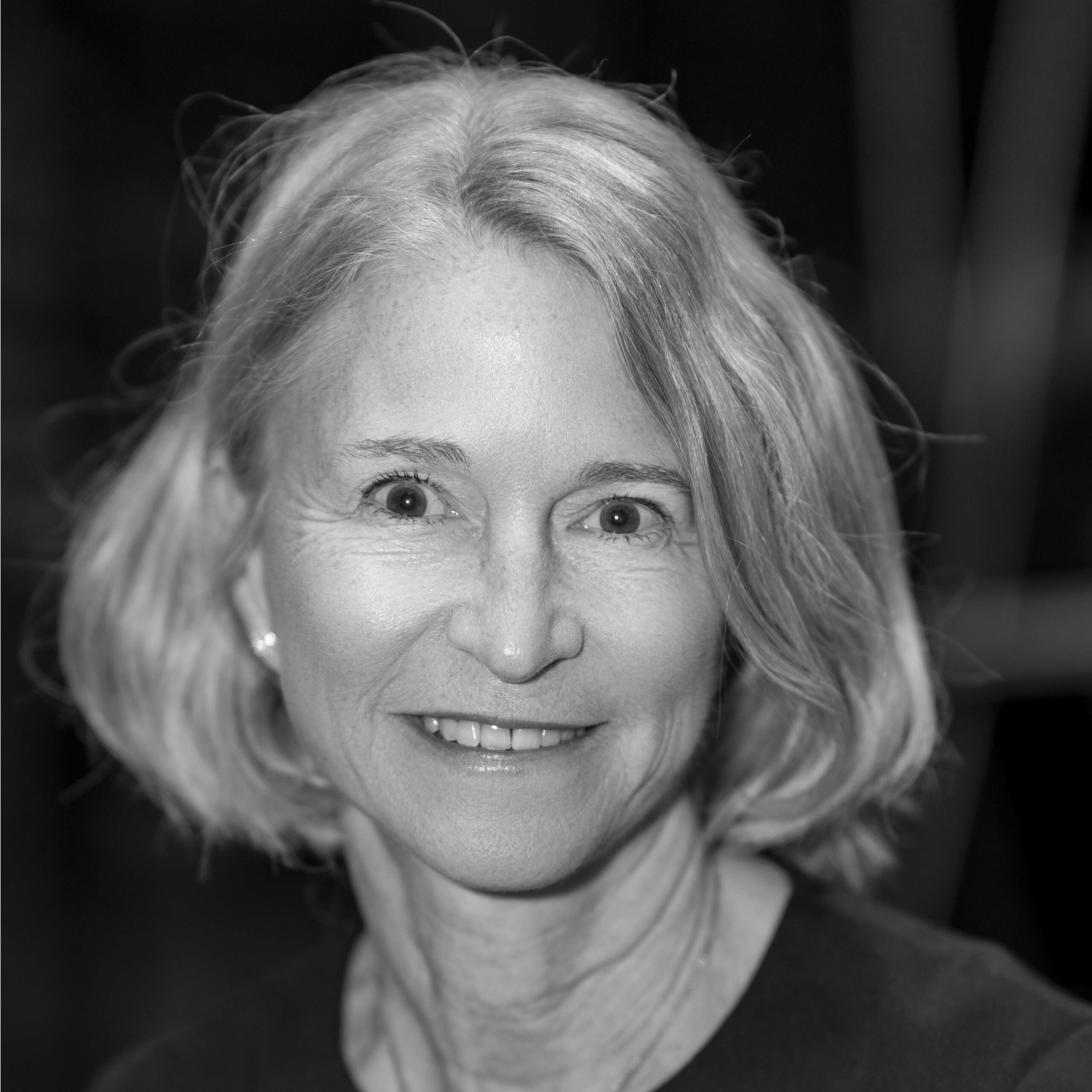
Professor Mary Ellen McCann
ASM Organising Committee Visitor
Professor Mary Ellen McCann
ASM Organising Committee Visitor
Dr McCann has been a paediatric anaesthesiologist at Boston Children’s Hospital for more than 30 years. She is a Professor of Anaesthesia at Harvard Medical School. Her clinical research has focused on the safety of general anaesthesia and sedatives with regard to the neurodevelopmental outcomes of human infants and toddlers. She has collaborated and led several multinational outcome studies including the GAS trial which determined that short to medium length general anaesthetic exposure early in life did not increase the risk of poor neurodevelopmental outcomes compared with awake regional anaesthesia exposure.
She is also very interested in the importance of the conduct of general anaesthesia in very young infants and has written and talked extensively about the importance of maintaining homeostasis during general anaesthesia in this group of patients. Preserving brain perfusion is difficult in young children who may become inadvertently hypotensive or hypocarbic during routine surgical procedures. Her interests in paediatric neuroanaesthesia also extends to her role as chief of paediatric anaesthesia for spine surgery at Boston Children’s Hospital. She is very interested in outcomes research in childhood and adolescent scoliosis surgery. In particular, she has developed strategies to reduce blood loss, awareness under anaesthesia, effective wake-up tests and neuromonitoring techniques for these patients.
Professor
Timothy Walsh
ASM New Zealand Visitor
Professor
Timothy Walsh
ASM New Zealand Visitor
Professor Tim Walsh
BSc(Hons) MBChB(Hons) FRCP FRCA FFICM MD MRes
Tim Walsh is Professor of Critical Care at the University of Edinburgh and Honorary Consultant in Critical Care at Edinburgh Royal Infirmary. He is head of the Academic Department of Anaesthesia, Critical Care and Pain Medicine at the University of Edinburgh, and co-director of Acute Care Edinburgh, a multidisciplinary research grouping in the University of Edinburgh Usher Institute.
Tim leads a multidisciplinary clinical research group with interests including transfusion medicine, sedation in the critically ill, recovery from critical illness and the epidemiology and prevention of ICU-acquired infection. He has a particular interest in large pragmatic clinical trials, complex health intervention trials, and the evaluation of novel diagnostics and technologies in acute care. He is a past chairman of the NIHR UK Critical Care Research Network and UK Critical Care Research Group, and director of Research and Innovation for NHS Lothian.

Associate Professor Jelena M. Janjic
FPM ASM Visitor
Associate Professor Jelena M. Janjic
FPM ASM Visitor
Dr Jelena M. Janjic (“Dr J”) is a tenured Associate Professor of Pharmaceutics and a founder/co-director of the Chronic Pain Research Consortium (CPRC) at Duquesne University in Pittsburgh, USA. In 2023, she founded the first nanomedicine manufacturing laboratory, which she runs with her students and staff. The lab is focused on implementing Quality by Design to accelerate the clinical translation of nanomedicine across multiple indications. She has been designing and developing imaging and drug delivery nano and biomaterial platforms since 2006, resulting in four patents, more than 80 publications, and numerous invited presentations at national and international meetings. Her work has been awarded innovator awards and extensively supported by the NIH, USAF, CDMRP, and ARPA-H. Her research interests lie at the intersection of immune and peripheral nervous systems and its implications in neuromuscular, inflammatory and trauma pain.
Dr Janjic is the recipient of the Pittsburgh Business Times Innovator Award for her work in pain nanomedicine. NPR News has featured her work on pain, and she gave a TEDx talk about her lived experience which inspired innovation in pain nanomedicine. Over the past 18 years, Dr Janjic has focused on designing and developing immunomodulatory nanotechnology and biomaterials. These technologies have been successfully validated in numerous preclinical models of nerve injury, musculoskeletal trauma, and inflammatory pain. Dr Janjic teaches medicinal chemistry, pharmacology, pharmaceutics, grant writing and product design, and graduate-level laboratory courses focusing on Quality-by-Design approaches to nanomedicine and biomaterials manufacturing. She is also an artist with broad interests, from playing the piano to contemporary music composition and writing fiction.
Dr Janjic’s full list of publications can be found here and her music channel is linked here.

Professor
Lesley Colvin
FPM New Zealand Visitor
Professor
Lesley Colvin
FPM New Zealand Visitor
Professor Lesley A Colvin MBChB BSc(Hon) PhD FRCA FFPMRCA FRCP(Edin) is Professor of Pain Medicine and Deputy Associate Dean for Research at the University of Dundee, and a consultant in anaesthesia and pain medicine. She co-leads an extensive research program (Chronic Pain Research Group) with Professor Blair Smith, with numerous research grants and scientific publications. She leads the NHS Research Scotland Pain Network and the Scottish Pain Research Community. She was previously Specialty Advisor on Chronic Pain to the Scottish Chief Medical Officer. She is Vice Chair of the Scottish Intercollegiate Guideline Network (SIGN) Council, and chaired the first and second SIGN Guideline Development Groups for Chronic Pain (SIGN 136, 2013, 2025). She is leading a new international initiative on improving translation in chemotherapy-induced peripheral neuropathy in her role as lead for Research and Guidelines on the IASP NeuPSIG Management Committee. She has been part of the British Journal of Anaesthesia since 2005 in various roles including board member and editor (for 11 years).
Invited speakers

Dr Karen Joseph
Dr Karen Joseph
Dr Karen Joseph, Specialist Pain Medicine Physician & Gynaecologist Christchurch, NZ
In pursuit of providing best evidence-based care for those living with pelvic pain, Dr Karen Joseph has completed specialist training and registration in pain medicine, obstetrics and gynaecology, and sexual and reproductive health. She is the only doctor in Australasia with this broad expertise.
She is the current president of the New Zealand Pain Society, a member of the FPM New Zealand National Committee, and has contributed to the development of educational and policy materials, including the RANZCOG Persistent Pelvic Pain Special Interest Module and the FPM PS15(PM) Statement on the clinical approach to persistent pelvic pain including endometriosis-associated pain.
Her research interests are focused on exploring and developing ways to meet the unmet needs of those living with pelvic pain.

Dr Rebekah McWhirter
Dr Rebekah McWhirter
Dr Rebekah McWhirter is an Associate Professor of Health Law and Director of Education at the Australian National University School of Law, and is affiliated with the National Centre for Indigenous Genomics. Her work focuses on the regulation of human research and ethical, legal and social issues in genomics, with a focus on implications for Indigenous health. She is the vice president of the Australasian Association for Bioethics and Health Law, and co-chairs the Education, Ethics and Social Issues Committee for the Human Genetics Society of Australasia.
Journal editors

Professor Brian Bateman
Professor Brian Bateman
Dr. Bateman is the Stanford Medicine Professor of Anesthesiology, Perioperative and Pain Medicine and is Chair of the Department of Anesthesiology, Perioperative, and Pain Medicine, and by courtesy, Professor of Epidemiology and Population Health at the Stanford University School of Medicine, Stanford, CA. Dr. Bateman’s research interests focus on medication safety in pregnancy, epidemiology of pregnancy complications, and patterns of medication use and drug safety in the perioperative period.

Dr Matthew Wiles
Dr Matthew Wiles
Dr Matthew Wiles.
Consultant Anaesthetist, Sheffield Teaching Hospitals NHS Foundation Trust.
Honorary Fellow, Centre for Applied Health & Social Care Research (CARe), Sheffield Hallam University
Honorary Senior Clinical Lecturer, University of Sheffield
Matt Wiles completed anaesthetic training in Nottingham in conjunction with a research post as a Clinical Lecturer at the University of Nottingham, before taking a consultant post at Sheffield Teaching Hospitals NHS Trust. His clinical commitments primarily involve sessions in neuroanaesthesia (with a particular interest in traumatic brain and spinal cord injury), critical care and major trauma. He is Trust Clinical Lead for the Major Trauma service. He is also the Editor-in-Chief of the journal Anaesthesia (top-rated in the field of anesthesiology) and is an active researcher, regularly publishing in peer-reviewed journals. He has also authored two major anaesthetic textbooks.
Industry supported speakers

Dr Kariem
El-Boghdadly
Supported by Fisher and Paykel
Dr Kariem
El-Boghdadly
Supported by Fisher and Paykel
Dr Kariem El-Boghdadly is a consultant anaesthetist at Guy’s and St Thomas’ NHS Foundation Trust and Cleveland Clinic London, as well as an Honorary Reader at King’s College London. He is the clinical lead and research and development lead for Theatres, Anaesthesia and Perioperative Medicine. He is the scientific officer for the Difficult Airway Society, senior editor of Anaesthesia Journal; developed multiple innovations for practice; has written four books and multiple book chapters; and is very well-published in peer-reviewed literature.
Kariem was awarded the 2022 Featherstone Professorship by the Association of Anaesthetists and the 2024 Dudley-Buxton Prize by the Royal College of Anaesthetists. He co-developed the HIT List model and continues to deliver this award-winning service.


Dr Becki Marsh
Supported by Jackson Allison
Dr Becki Marsh
Supported by Jackson Allison
Dr Becki Marsh is an anaesthetist from the South West of England. She’s an enthusiastic regionalist and medical educator. She’s an avid promoter of equality, diversity and inclusion, especially regarding women in medicine and doctors with disabilities. She’s the founder of the #ThisGirlBlocks campaign, where the community supports, empowers, and increases the visibility of women in regional anaesthesia.
Her research interests are mostly gender based, focusing on female differential attainment. She is currently enrolled in the University of East Anglia Regional Anaesthesia MSc program.


Dr Neel Desai
Supported by AFT
Dr Neel Desai
Supported by AFT
Dr Neel Desai is a consultant anaesthetist at Guy’s and St Thomas’ NHS Foundation Trust and honorary senior clinical lecturer at King’s College London. He has an interest in obstetric, plastics, regional and vascular anaesthesia. Further, Neel has an interest in medical education and research, is on the editorial board of British Journal of Anaesthesia Education and associate editorial board of International Journal of Obstetric Anesthesia, and lastly is a member of the procedure specific postoperative management or PROSPECT working group, an international collaboration between anaesthetists and surgeons

ANZCA recognises Te Tiriti o Waitangi as a foundational document that shapes the historical and cultural landscape of Aotearoa New Zealand and that informs our approach to medical education, research, and community engagement Tangata Whenua.
ANZCA acknowledges and respects Māori as the Tangata Whenua of Aotearoa and is committed to upholding the principles of the Treaty of Waitangi, fostering the college’s relationship with Māori, supporting Māori fellows and trainees, and striving to improve the health of Māori.
The college recognises the special relationship between the Pacific peoples of New Zealand, Australia and the Pacific, and is committed to supporting those fellows and trainees of ANZCA, and improving the health of Pacific peoples.